
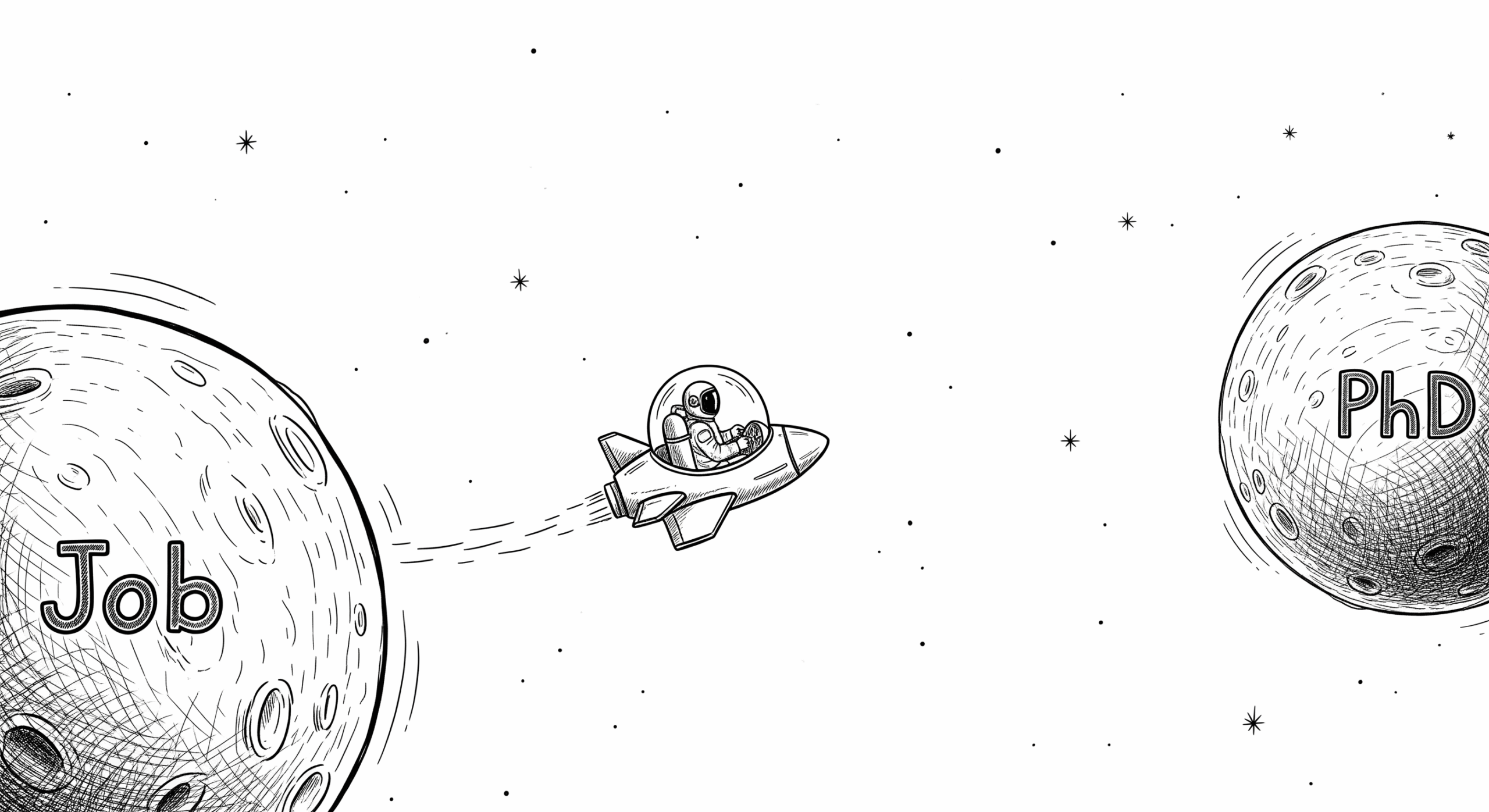
This is only a short time since I started my PhD at the Australian National University (ANU), Fenner School of Environment and Society in Environment. I started this PhD after my time at the Ministry of Finance came to an end.
Wait… What? Transitioning from macroeconomics to something like the environment and resource economics is probably a significant leap. It is a whole new planet that I jumped to. I may probably be on Venus.
I have been seeing posts all over the place on LinkedIn about the hurdles and hassles of a PhD journey but really couldn’t understand the feelings when I was not in that position. Now that time has come, I think I am in the best position to describe the feelings since I have now started to experience what it is like.
How did it feel to start a PhD?
Well, I was excited when I first landed in Australia, and I was excited about what it is like to start a PhD. To be honest, a PhD is an upgrade, and a prestigious university like ANU gives it more flavour.
On the flip side, I was nervous to enter into the unknown realm of PhD. Like any other first experience, this is my first time in a PhD program, so it’s fair to have that kind of feeling. Nevertheless, I was introduced to the right and helpful people, and then I was introduced to the PhD material gradually. This made me confident that I can navigate the program.
How does it feel now?
It’s a roller coaster.

Let me start by talking about life in Australia. In general, people are friendly and are willing to help you when in need. However, as someone coming from a hilly country like Rwanda (the country of a thousand hills, as the country is nicknamed), it was obvious to notice that Australia is extremely flat.
Now coming back to education, I have to admit that this is a different experience from consulting and public service; there are lots of differences that make them two different galaxies, I would say.
You are learning but executing at the same time. You must handle lots of new things at an unbelievably faster pace; you’re meeting people asking you about what you’re working on without any idea, meetings are everywhere, and before you know it, the deadline is here. On the other hand, in the public sector, my role was limited to execution, with minimal and less intensive learning.
Multitasking is a thing in a PhD; you can’t escape it because that’s what adds spice to the program. As my supervisor likes to say, “It’s chaos everywhere.” Either you learn to follow the pace, or you give up. In my public service I don’t remember doing two things at a time; yes, I occasionally had more than one task, but juggling between tasks was not a thing.
Surprisingly, since I started the PhD, I realised in my first week that you work for it to earn it. I have not yet earned it though! I have been offered many occasions to escape the chaos by taking something very easy but have declined all of them.
But do you know the good stuff? I am surrounded by supportive people. This gives me an advantage of asking questions and getting guidance, and yeah … It feels nice that people around me understand that pursuing a PhD is a long journey, and maybe some of them have been where I am.
Of course, I feel that sense of responsibility, especially when it comes to planning and execution, and after all, I am the one carrying a big share of the weight—knowing that this is my PhD. That being said, it means that to cross the river, I must swim but won’t be drowned.
Any new things learned so far?
It’s a wow!!!!!
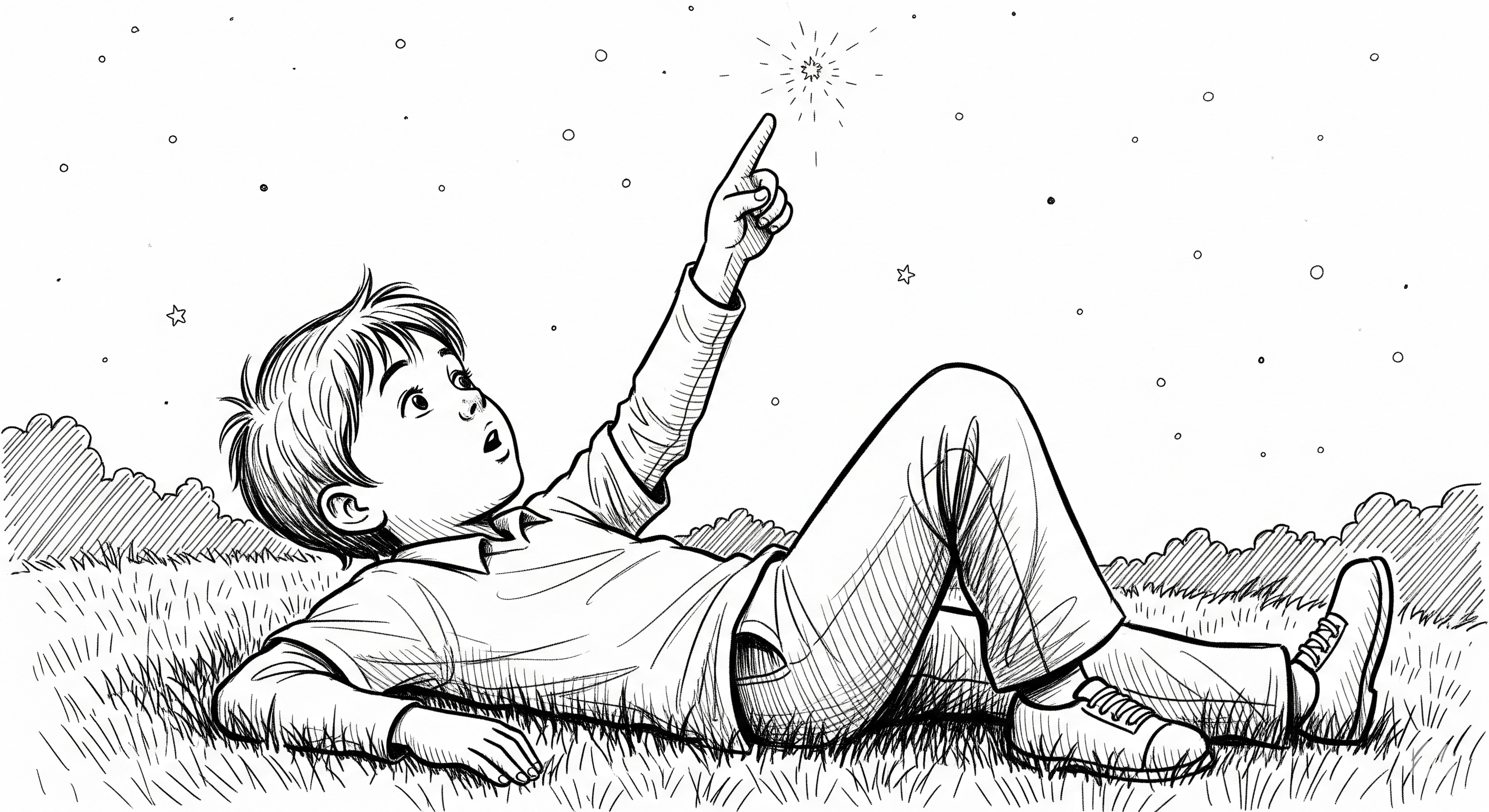
This one? Absolutely! I learn something new almost every day; this has been the case since day one. This is what I am here for anyway! I would be surprised if it was not the case, though. It is a new field; I have to learn things here and there to catch up. I have to read to understand things. Every time I read, I learn something new, and to be honest, I am loving it. It feels like I am being enlightened in some way.
Well, I don’t mean that you learn technical skills only; soft skills are also crucial because they are needed. For example, one of the things I learned straight away is that prioritisation is a skill. As I said before, multitasking is inevitable, but prioritisation is a weapon you can use to be more efficient.
Furthermore, you have to learn to make new friends. Therefore, you need to develop the art of breaking the ice or cracking jokes. I am still working on that too!
I know that I cannot say more; I am just getting started, and many things are coming, so I will keep you posted. From conversations I had with different people, a PhD is a demanding commitment, both in terms of efforts and emotionally; you have to team up with other PhDs for mutual support. I reckon that few people can make it to the end alone.
Final bits?
Well, I can say that given the time I have been in the program, I know that many things are yet to come. It is an entirely new galaxy that I travelled in compared to where I came from. There is that feeling of being excited but also nervous because you have no idea what lies ahead.
Overall, everything is going well; I don’t feel uncomfortable or despise the PhD life, unlike how many people may portray it. I would rather not be pessimistic, the reason being that I have been lucky to meet the right people who are supportive. Moreover, despite the current and future demands of pursuing a PhD, the rewards make this commitment worthwhile (if you have a gig, I can do it! Don’t worry, I am not in prison.).
Even though I said that a PhD is demanding, I am grateful for the previous jobs and responsibilities; I know they somehow have given me skills that made me get into this program. I am grateful, and I know it was beneficial.